Pecohub
 The United States automotive industry has entered what experts describe as a new phase of realism when it comes to all-electric vehicles (EVs). After years of aggressive investment and optimism, automakers are now recalibrating their strategies as consumer demand has failed to meet earlier expectations.
In the early 2020s, EVs were widely seen as the inevitable future of mobility. However, with demand slowing and billions of dollars already invested, major manufacturers are now pivoting. General Motors CEO Mary Barra recently said automakers have been forced to respond to rapid shifts in policy and regulation, making long-term planning difficult.
GM has already disclosed a $1.6 billion impact from scaling back EV investments, with further write-downs possible. Similarly, Ford Motor Company expects around $19.5 billion in special charges tied to restructuring and reduced focus on all-electric vehicles.
US EV sales peaked at 10.3 per cent of new vehicle sales in September, just before federal incentives of up to $7,500 ended. By the fourth quarter, sales had fallen sharply to about 5.2 per cent, according to industry data.
Analysts say the long-term shift towards electrification remains intact, but timelines are being adjusted. Consulting firm PwC estimates EVs will make up around 19 per cent of the US market by 2030.
Rather than abandoning EVs entirely, automakers are increasingly embracing a multi-powertrain strategy. Hybrids and plug-in hybrids are being positioned as a practical bridge between petrol vehicles and full electrification.
Ford is refocusing on hybrids and smaller EVs, while GM plans to continue existing EV models but expand production of trucks and SUVs. Other manufacturers, including Honda, Nissan and Volvo, have scaled back earlier EV-only commitments.
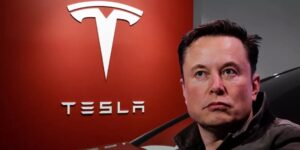
Much of the initial EV enthusiasm was driven by Tesla, which built a loyal customer base around technology, software and its own charging network. Industry experts note that consumers were buying into the Tesla brand, not EVs as a category.
With policy support reduced and consumer preferences clearer, the US auto industry is now seeking balance—offering EVs, hybrids and traditional vehicles to match real-world demand.