Pecohub
 Researchers are closer than ever to finding a pill that could help patients recover from brain injuries, like strokes, something doctors thought impossible.
A recent publication in Nature Communications explored the potential of two drugs to help patients recover after a stroke, which damages brain connections.
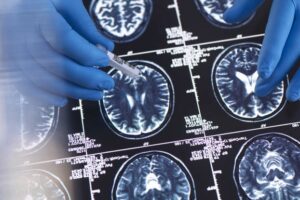
Many stroke victims do not achieve full recovery. It is the leading cause of adult disability because of the permanent damage it can leave patients.
Now, recovery from strokes depends primarily on physical rehabilitation, with patients working hard every day to recover some of their bodily functions.
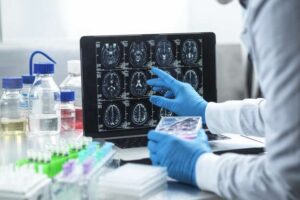
“Rehabilitation after stroke is limited in its actual effects because most patients cannot sustain the rehab intensity needed for stroke recovery,” Dr. S. Thomas Carmichael, the study’s lead author, said in a UCLA press release.
Dr. Carmichael added that, in neurology, unlike in other fields with life-threatening conditions such as cardiology, infectious disease, or cancer, there are no drugs to help patients recover.
His team studied how rehabilitation helps patients understand the mechanisms by which the brain repairs itself after a stroke. They discovered that stroke damage comes from the loss of connections that isolate areas of the brain.
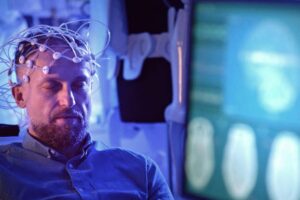
Rehabilitation stimulates neurons to try to repair those connections. The team tested two drugs that could achieve the same thing and accelerate recovery for patients.
They concluded that one of the candidates, DDL-920, developed in a UCLA lab, produces a significant recovery in movement control. It is a promising candidate, but it needs further study
Still, DDL-920 is not the only pill that could help patients. According to The New York Times, doctors at medical centers in Canada are conducting a clinical trial with another promising candidate.
The drug, named Maraviroc, was initially designed to battle HIV infections. It suppresses an immunity receptor that interrupts the plasticity recovery in the brain.
The drug is being used in clinical trials across the country, and will continue for the next two years. A drug might take a few years, but it could completely revolutionize the field.