
UNICEF and Federal Government Strengthen Partnership for Children
 Pecohub
 UNICEF Nigeria and the Federal Government of Nigeria brought together development partners, the diplomatic community, donors, civil society organizations, the media, and young people in Abuja for the 2026 Joint Annual Partners Meeting and the presentation of the 2025 Annual Report.
The joint meeting provided an opportunity to review progress made for children in 2025, reflect on persistent gaps, and renew collective commitment to strengthening systems that deliver results for children across Nigeria.
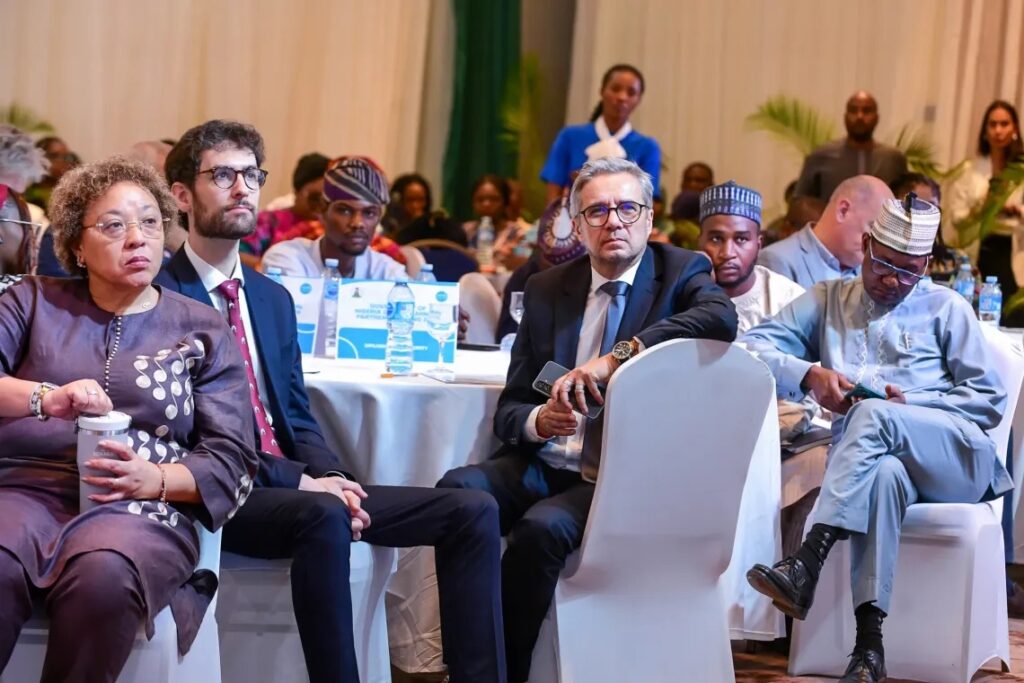
During the meeting, UNICEF Nigeria Country Representative, Wafaa Saeed, acknowledged the progress achieved through collaboration between government, UNICEF, and partners, while stressing the need to sustain momentum.
“We are seeing results because government, partners, and communities are working together,” she said. “But the work is far from done. We must continue to strengthen systems that consistently put children first and reach those who are most vulnerable, wherever they live.”
Presenting highlights from the 2025 Annual Report, UNICEF Nigeria Deputy Representative for Programmes Rownak Khan outlined key results. In 2025, 59 million children were vaccinated against measles and rubella, strengthening nationwide disease prevention efforts. More than 36 million children under five received vitamin A supplementation, contributing to improved child survival.
Birth registration expanded significantly, with over 11 million children registered, improving access to legal identity and essential services. Education interventions reached more than 1.5 million children, including support for out-of-school children, while social protection programmes supported 1.2 million vulnerable households with access to food, education, and basic services.
The meeting also highlighted continued challenges. Infant mortality remains high at 104 deaths per 1,000 live births, and 40 per cent of children under five are affected by stunting. Education gaps persist, with more than 10 million primary age children out of school and only one in four children able to read at a basic level.
Representing the Federal Government of Nigeria, the Honourable Minister of State for Budget and Economic Planning, Dr Doris Uzoka-Anite, reaffirmed the government’s commitment to children’s well-being. “Investing in children is not optional; it is fundamental to Nigeria’s growth and stability,” she said, noting priorities for the 2026–2030 period, including child-focused planning, innovative financing, climate resilience, and improved data.
Young people also shared firsthand experiences of how UNICEF-supported programmes are improving education, protection, and leadership opportunities. Through U-Report, over five million young Nigerians continue to engage in national conversations that shape policies and programmes.
The meeting concluded with a renewed joint commitment to accelerate progress and strengthen systems that deliver for every child in Nigeria.