Pecohub
 Thirteen days after the Nigerian Association of Resident Doctors (NARD) began its strike, major hospital services remain paralysed, leaving patients stranded.
The strike, which began on 1 November, has grounded operations in several federal and state tertiary hospitals, with only skeletal services being offered by consultants, nurses, and auxiliary staff.
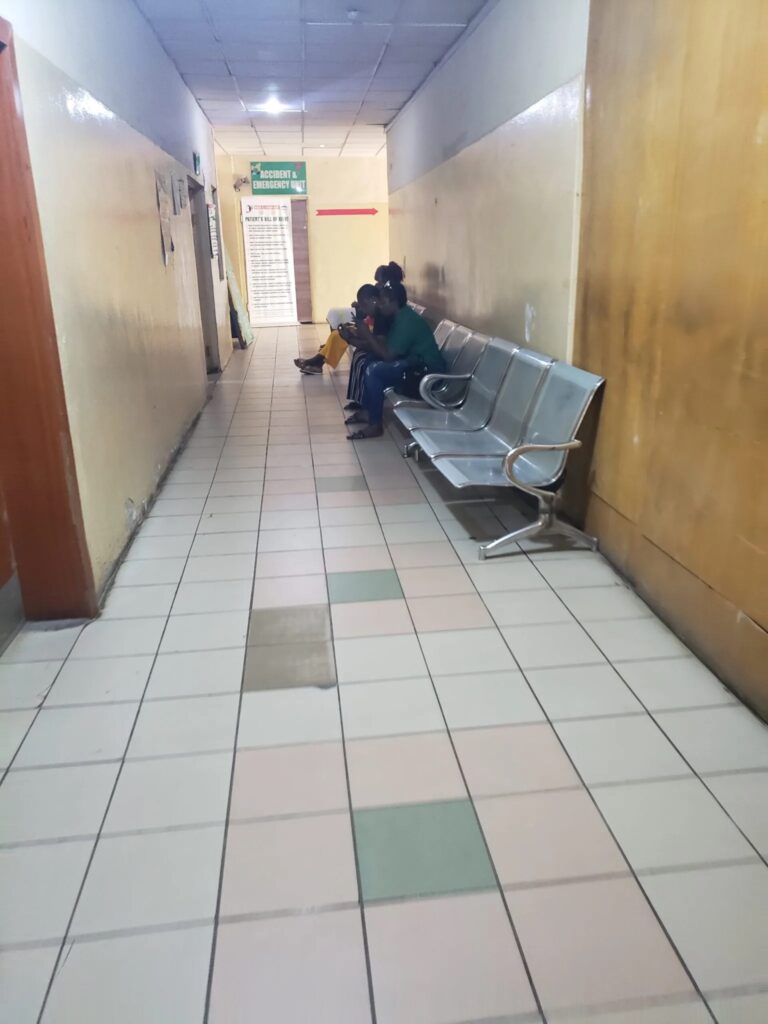
Pecohub’ visit to hospitals in Abuja and Lagos this week revealed near-empty wards and frustrated patients returning home without treatment.
Meanwhile, the Coordinating Minister of Health and Social Welfare, Muhammad Pate, who spoke at the opening session of the 2025 Joint Annual Review (JAR) of the Health Sector on Wednesday, appealed to striking resident doctors to “put the Nigerian person at the centre of attention”, expressing concern over its impact on the public health system.
Abuja hospitals run skeletal services
In the Federal Capital Territory (FCT), two major district hospitals, Maitama and Wuse, were unusually quiet on Thursday, with empty hallways and minimal staff presence.
At the Maitama District Hospital, the once-bustling corridors were quiet when our reporter visited on Thursday. Only a handful of patients were seen at the Obstetrics and Gynaecology (O&G) unit, while the Nutrition and Paediatric (NPI) section was the busiest, filled with mothers and babies waiting for check-ups.
The General Outpatient Department (GOPD) recorded minimal activity, with just a few people waiting to be attended to. Only a few nurses were present at the Emergency Department, tending to one patient.
Other departments, including Laboratory and Radiology, were partially open but functioning below normal capacity.
A security officer at the entrance said no doctors had been on duty since the strike began.
“You can go inside, but there are no doctors around. It’s only a few patients here, being attended to by nurses,” he said.
A nurse also confirmed that only a handful of consultants were on the ground to attend to patients, noting that most departments were functioning below capacity.
The situation was worse at Wuse District Hospital, where most departments were completely deserted. The Antenatal Department was empty, and only a few patients were seen at the card registration unit.
The Mother and Child Unit and the Emergency Ward were also deserted, while the in-patient pharmacy was locked during the visit.
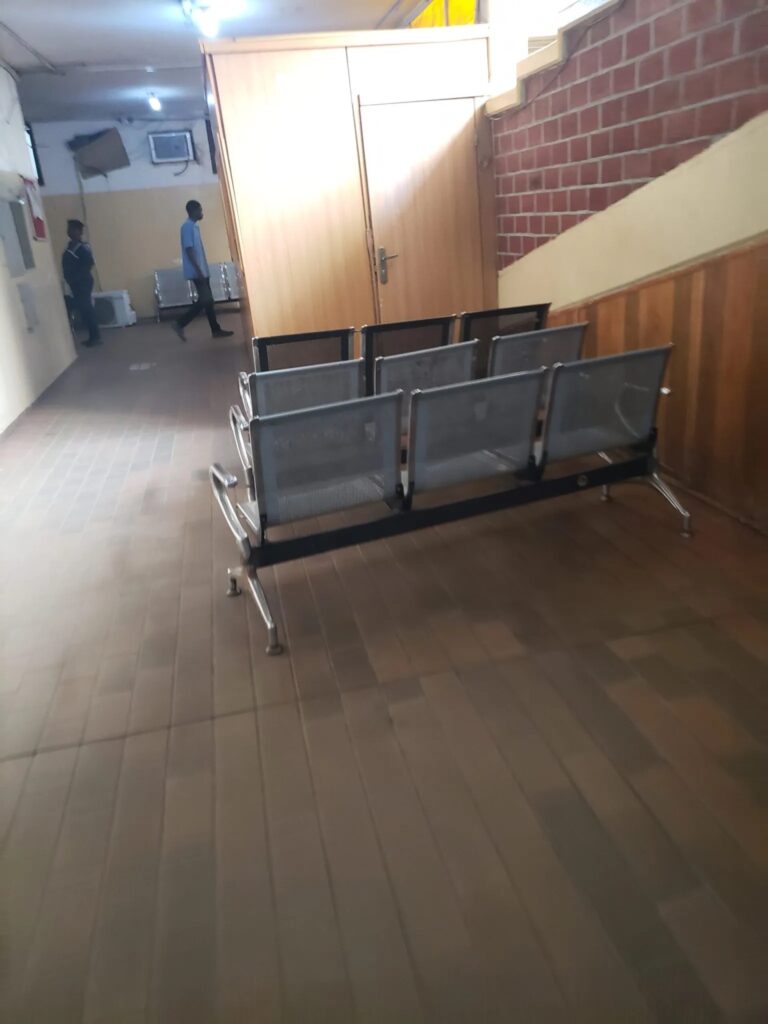
At Asokoro District Hospital, activities appeared to be running in some departments. The eye clinic and immunisation unit were functional, with patients waiting to see doctors and babies being attended to. However, the GOPD was empty.
A staff member told Pecohub that no doctors were available: “Aside from the striking medical and surgical doctors, other units of the hospital are still functional, but we don’t know when the strike will be called off.”
A similar scene occurred at the National Hospital, Abuja, where skeletal services continued. Consultations were ongoing in the Medical Outpatient Department, but the hospital limited the number of patients to 20 daily.
“We only take 20 patients per day, and you must come before 8 a.m. to get a number,” a staff member explained.
Similar situation in Lagos
In Lagos, patients at the Lagos State University Teaching Hospital (LASUTH) expressed frustration as their appointments were cancelled or postponed indefinitely.
When Pecohub visited the hospital on Tuesday, corridors that usually buzzed with activity were empty.
Praise Olamide, 18, diagnosed with constrictive pericarditis, had looked forward to her scheduled appointment with hope, but could not find a consultant when she arrived at the hospital.
“Everything is on hold,” she told Pecohub on Tuesday as she walked out of LASUTH’s Cardio Thoracic Surgery Unit (CTSU) with her distended tummy.
Constrictive pericarditis occurs when the sac around the heart (pericardium) becomes thick, stiff, and rigid, preventing the heart chambers from filling properly with blood. This leads to blood backing up in the systemic veins (right-sided heart failure), causing a variety of symptoms.
Another patient, Isaac Dickson, referred from Alimosho General Hospital to see a nephrologist, also returned home without consultation.
“I did two tests today,” the patient told Pecohub. “They initially didn’t allow me, but when I told the nurses my ordeal, I was allowed to do some tests.
“I will come back but only when it’s confirmed that the strike has been called off.”
Mr Dickson urged the federal government to attend to the welfare of the striking doctors, adding that “doctors ought to be taken care of very well.”
For Nike Kolawole, who accompanied her brother for a follow-up after his discharge from the emergency unit, the hospital felt almost abandoned.
“The emergency ward is almost empty,” she said. “Only a few patients with severe conditions are present.”