
10th National Assembly Records Over 2,300 Bills in Legislative Pipeline
 Pecohub
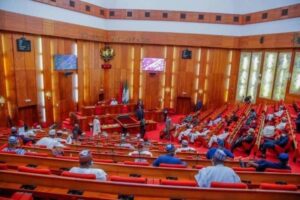
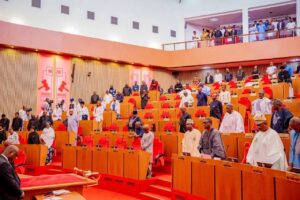
 Nigeria’s 10th National Assembly has recorded more than 2,300 bills since assuming office in June 2023, reflecting an ambitious legislative agenda spanning constitutional reforms, economic development, education, healthcare, security, taxation, and institutional strengthening.
According to legislative tracking data, the Assembly currently has approximately 2,386 bills, with the House of Representatives accounting for the majority.
While hundreds of bills have progressed through various stages of consideration, only a fraction have completed the full legislative process and received presidential assent.
Among the major proposals under consideration are constitutional amendment bills, electoral reforms, tax-related legislation, education and healthcare reforms, digital infrastructure initiatives, security sector bills, and measures aimed at promoting economic growth and institutional efficiency.
Recent legislative activities have included bills on digital infrastructure development, fintech regulation, cybercrime amendments, public procurement reforms, police reforms, vocational education, and various establishment bills for federal institutions across the country.
Observers note that while the volume of bills demonstrates strong legislative activity, the true measure of success will depend on the quality of legislation passed, effective oversight of government agencies, and the implementation of laws that directly improve the lives of Nigerians.
As the Assembly enters the next phase of its tenure, attention is expected to remain focused on landmark reforms relating to governance, security, economic stability, and constitutional restructuring.